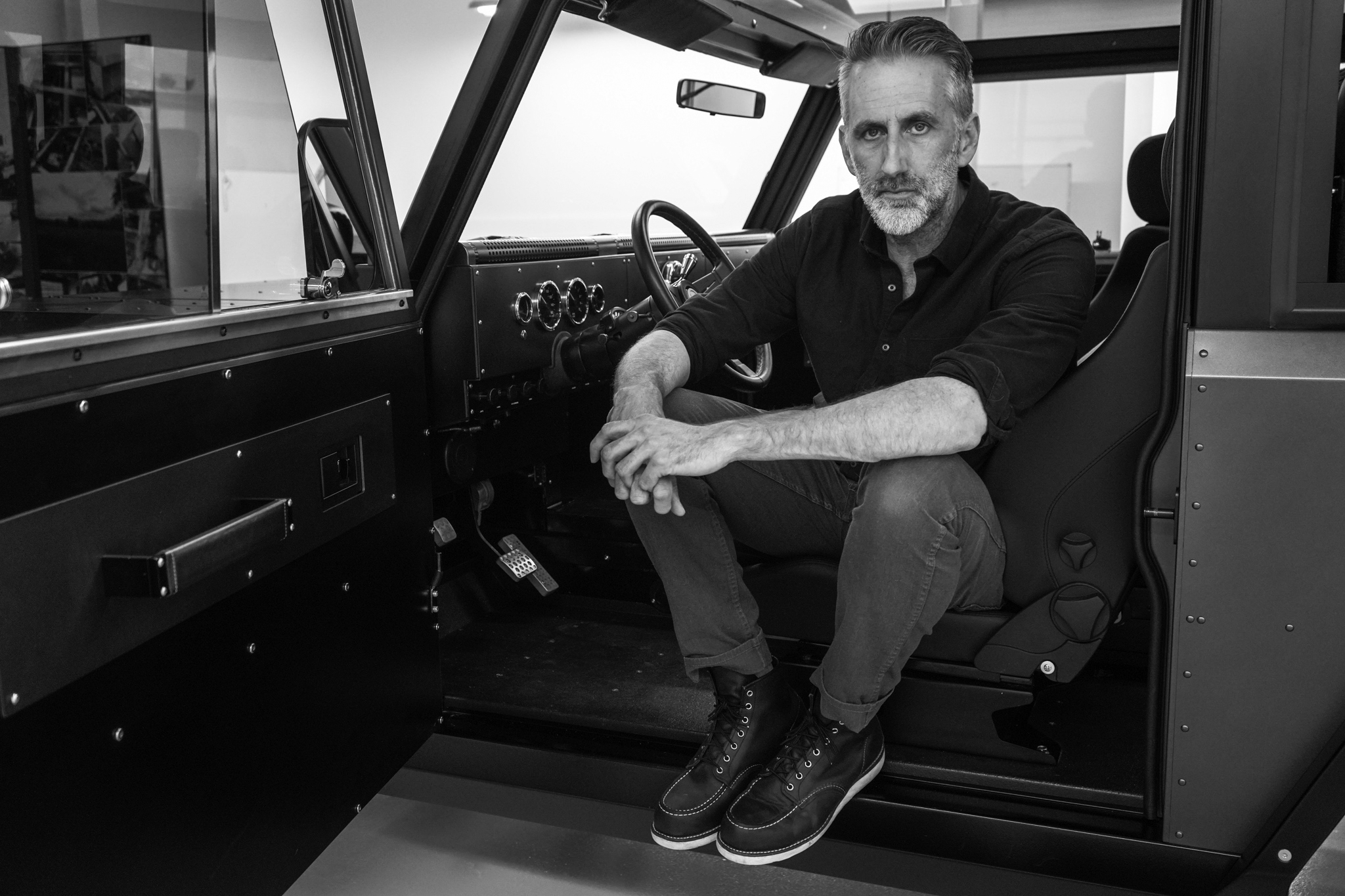
I started Bollinger Motors in an old diesel repair shop in upstate New York with six people and a conviction that a better truck was possible. We built it. Then we built it again, and again. Three generations. Hundreds of people. Thousands of parts. One commercial truck that made it all the way to production. Then the whole thing was gone. Sold. Out of my hands. For a while I thought that was the end of the story.
It wasn't. The trucks came back. The machines came back. The knowledge and the relationships and the hunger — all of it came back. I've been through a lot. Everyone who worked on this has been through a lot. But we wouldn't give it up for anything. This is in our bones.
Now it's time for a new beginning. A new story. A new direction. I want to make things again — real things, designed from conviction, built without permission. I want to work with young designers who are hungry and haven't had their instincts beaten out of them yet. I want Bollinger Motors to be a place where serious creative work happens — in the studio, in the lab, in classrooms, and in the field. Let's see where it can go.
— Robert Bollinger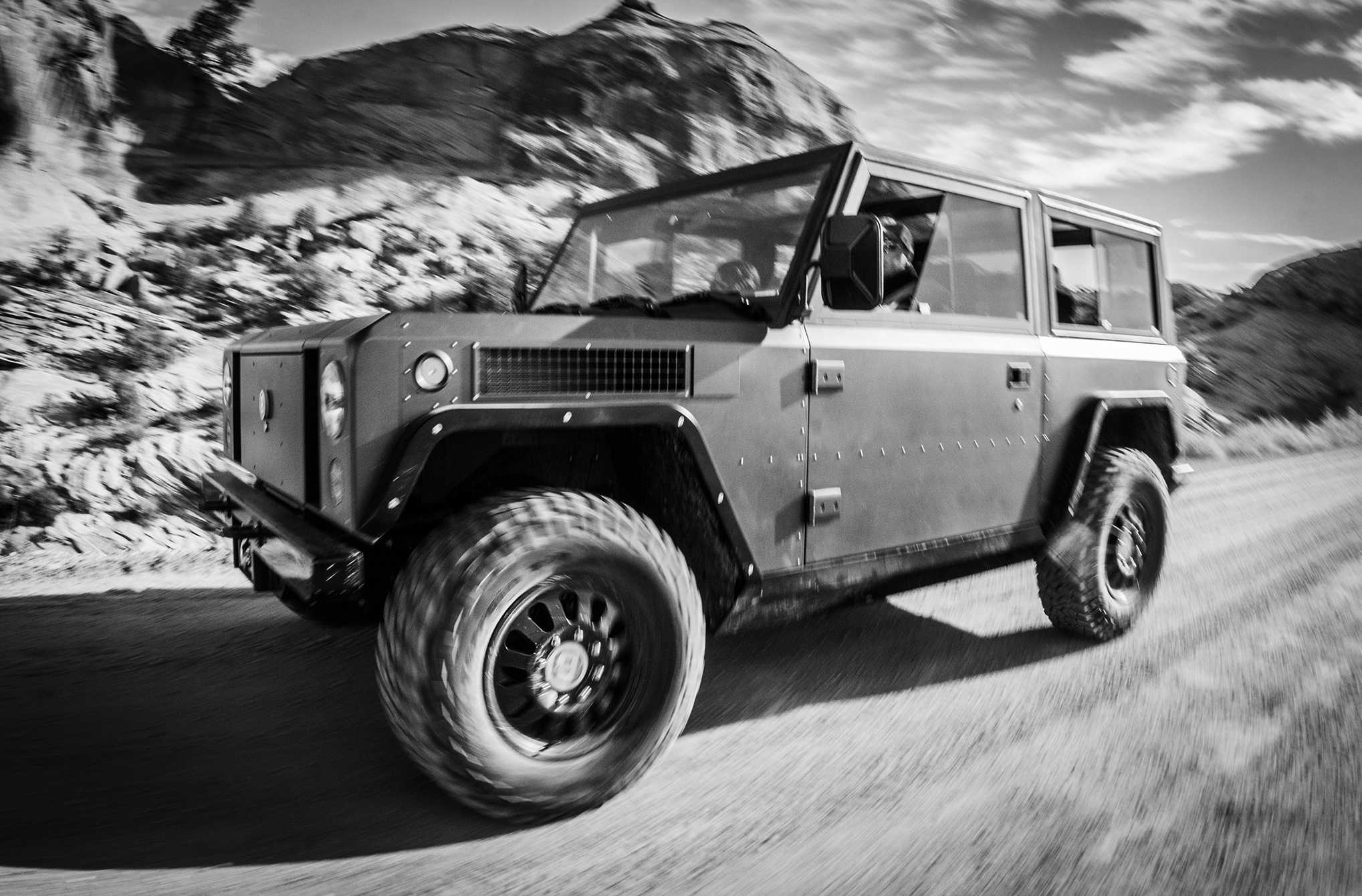
It started on a farm in upstate New York with a simple frustration — every truck on the market was a compromise. Bad weight distribution, poor ground clearance, half-hearted four-wheel drive. Robert Bollinger wanted to build the one that should exist. All electric, all-wheel drive, all the time. A small team in a small shop in Hobart, New York. No roadmap and no guarantee, just the absolute conviction that this truck deserved to exist.
When the B1 was shown to the world, something unexpected happened. People felt it immediately — not just truck people, not just EV people, but anyone who had ever wanted a vehicle that took them seriously. The reservations came in thousands. The trucks went to Moab, to the desert, to snow and mud and places that would break lesser machines. The B1 didn't break. It thrived.
Electric wasn't a concession to the moment — it was the whole reason the truck could exist the way it did. All-wheel drive without compromise. Portal gearhubs. A two-speed hi-lo gearbox. Power takeoff for running tools anywhere. A pass-through for lumber, pipe, kayaks, whatever the job demanded. Ten inches of adjustable ride height. Every system designed around what electricity made possible.
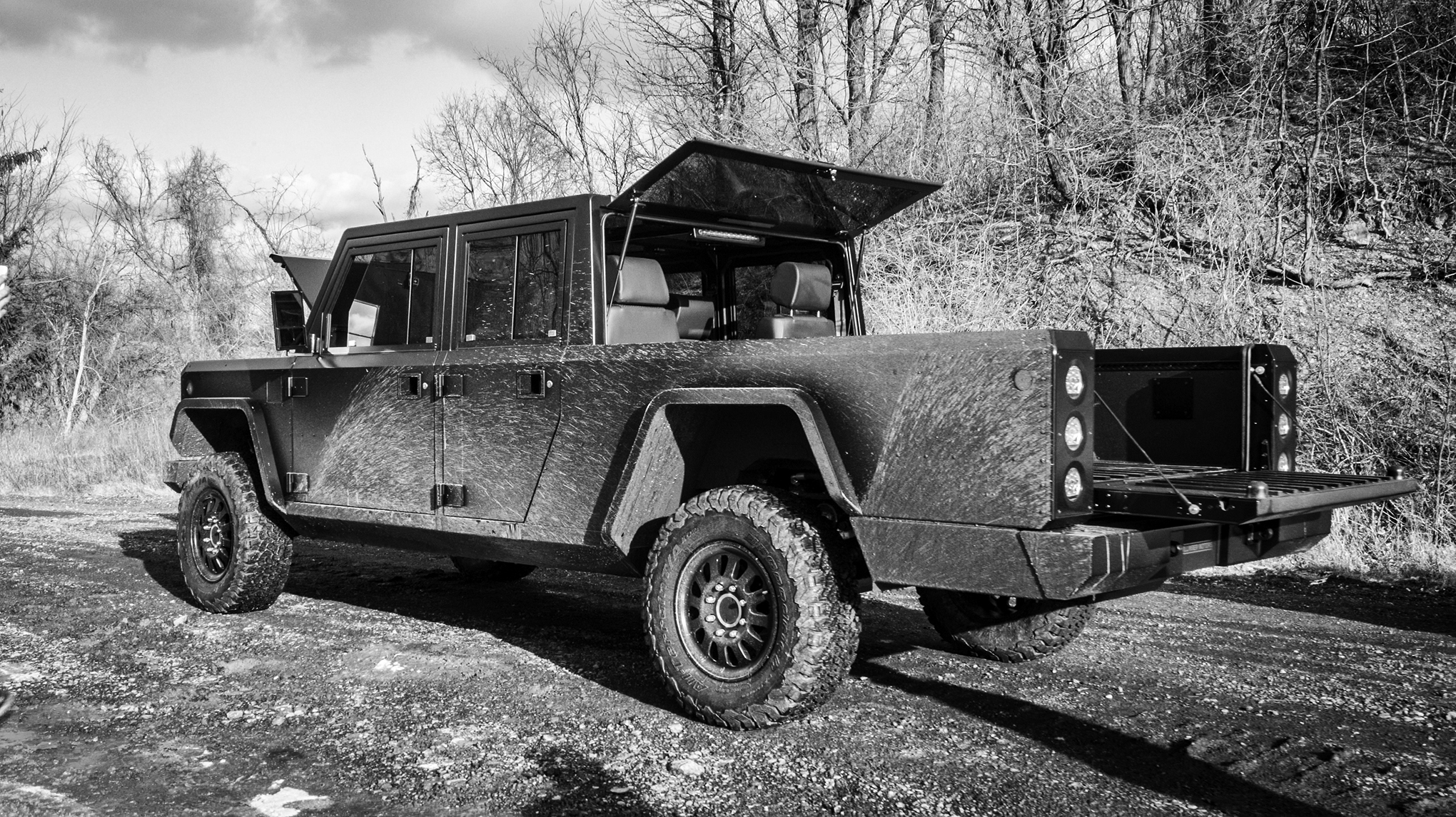
Moving to Detroit meant growing up. The team expanded, the ambitions expanded, and so did the understanding of what it truly takes to bring a vehicle to production. In Detroit we built the second generation B1 — refined, resolved, ready — and created its brother, the B2 Pickup Truck. Same platform, same uncompromising DNA, a new body style that opened the trucks to a whole new audience.
The third generation B1 was the pre-production version — the one built to survive the real world. Gearboxes and motors made to our exact specifications. Tier 1 suppliers who understood what we were building and why. The test mule was put through grueling off-road and on-road miles. Every system stress-tested until it either broke or didn't. Most of it didn't. What broke got fixed and tested again.
The all-electric Bollinger B4 chassis cab went into production in September 2022. Engineered from the ground up — not adapted, not compromised. Full testing. Full homologation. From a diesel repair shop in the Catskills to a production commercial electric truck in Detroit. Ten years of work that nobody handed us. Ten years that nobody can take away.
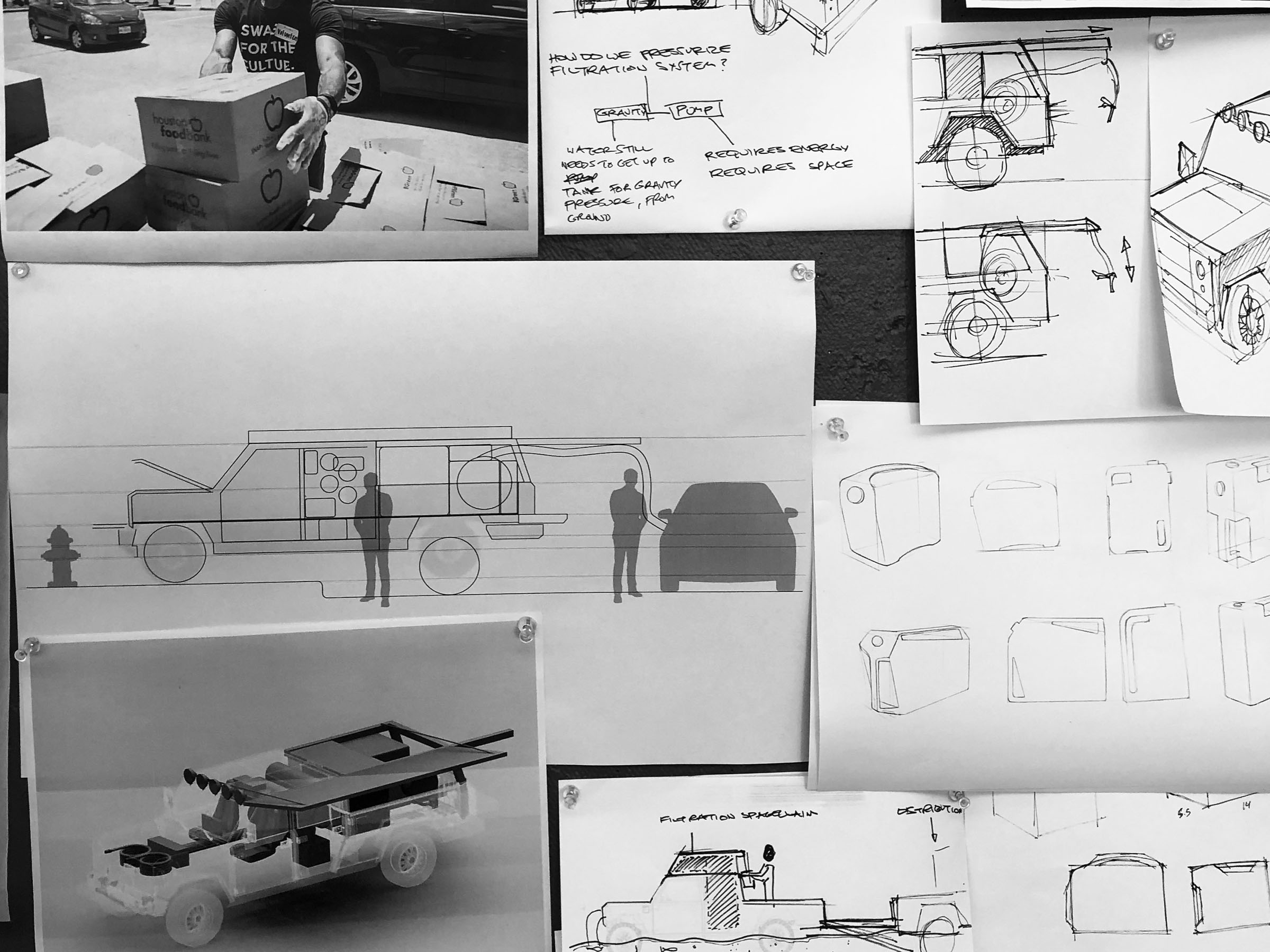
Bollinger Motors Design Studio is where the work starts. Original vehicle and mobility design developed in close collaboration with emerging designers — published publicly and consistently, keeping Bollinger Motors as a living creative practice rather than a legacy brand. No commercial obligation. No production targets. Every project begins with a genuine design question and ends when the answer is worth showing.
The Bollinger Design Lab is a fully capable prototype and fabrication studio in Oak Park, Michigan — home to the original B1 and B2 prototypes. This is where physical work coming out of the Design Studio gets built. Hands on metal. Real tools. Real making. The lab is available to select student and professional collaborators whose projects merit the resources. Not a makerspace. A serious shop for serious work.
The B1 and B2 are in the lab. So is everything built around them — the knowledge, the tooling, the relationships. The work that started in an old diesel repair shop in upstate New York continues in Oak Park. Designers, engineers, and collaborators who want to work at this level — get in touch.
Bollinger Motors is supporting the next generation of designers by making a sustained investment in Carnegie Mellon University's School of Design. Founded in 1906, Carnegie Mellon's College of Fine Arts is home to one of the nation's longest-running and most respected industrial design programs — a place where rigorous making and serious thinking have always gone hand in hand. Bollinger Motors is bringing a new dimension to that legacy: a dedicated focus on mobility and transportation design, embedded directly into the curriculum and built to last.
Bollinger Motors Design Studies is an endowed fund supporting a faculty-led mobility and transportation studio within Carnegie Mellon University's product design curriculum. It covers professor support, materials, fabrication, software, and visiting critics — whatever the work demands. The Bollinger Motors Design Scholarship is an annual merit scholarship awarded to one product design student whose work demonstrates exceptional engagement with mobility and transportation as a design discipline. Endowed for permanence.
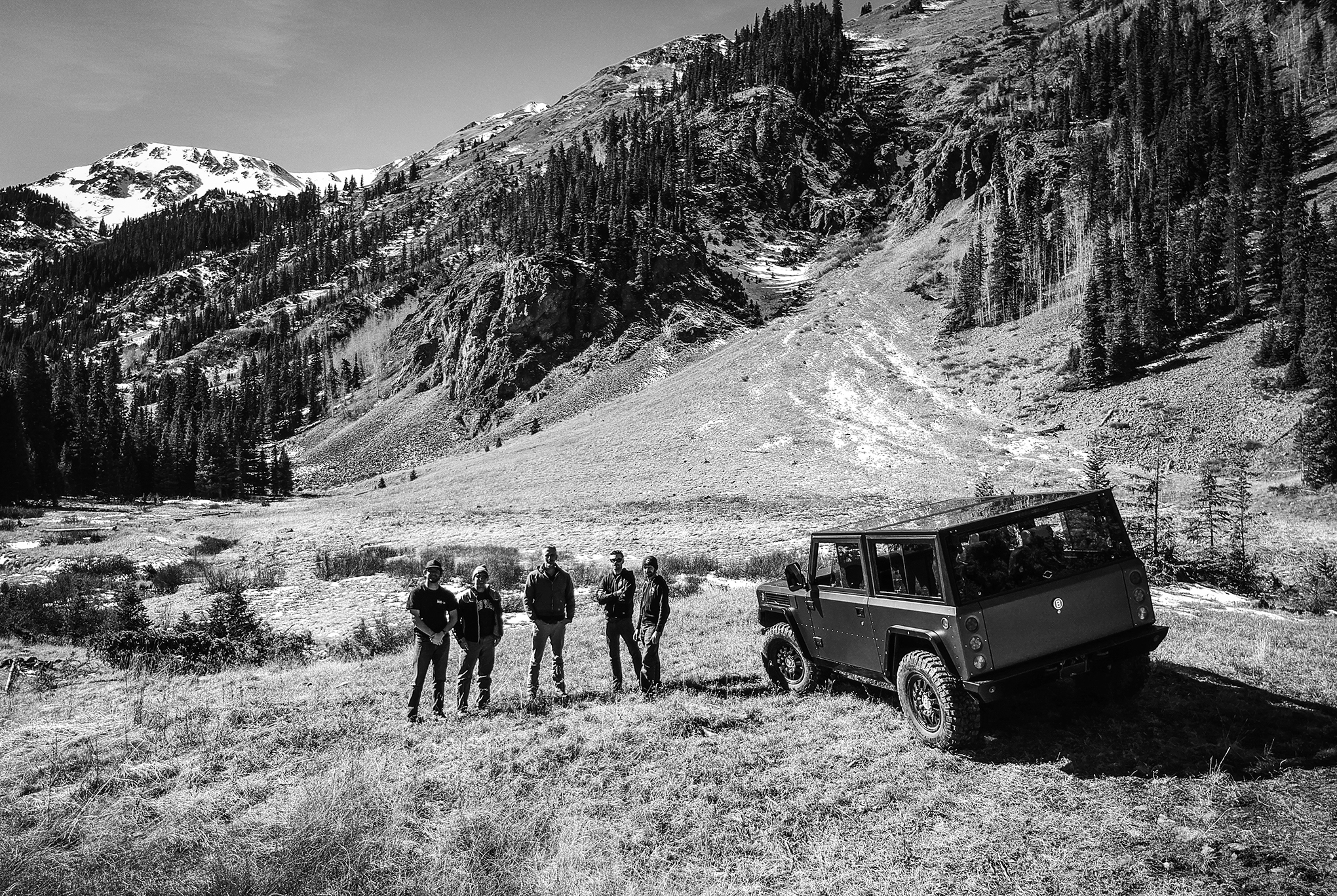
Out there right now, students and independent designers and small teams are doing some of the most interesting work in mobility and transportation — not in boardrooms, not with nine-figure budgets, but in garages, university labs, and machine shops. Solar car challenge teams. Formula SAE electric programs. Independent fabricators pushing new ideas in materials, propulsion, and form. This work matters. It doesn't always get the support it deserves.
The Bollinger Motors Initiative was created to help support these teams across the country. Direct funding, no strings attached, no equity taken, no bureaucracy in the way. Financial backing to help move projects along, keep momentum alive, and give serious ideas the room they need to grow. We also bring what we've built over a decade of real vehicle development — technical knowledge, manufacturing relationships, supply chain experience — for the teams that can use it.
We've been on the receiving end of a lot of goodwill over the years. The designers, the engineers, the builders, the fabricators, the suppliers who took a chance on us — and the fans who believed from the very beginning. Being in a position to give something back feels right. We're grateful for the chance to be part of it.
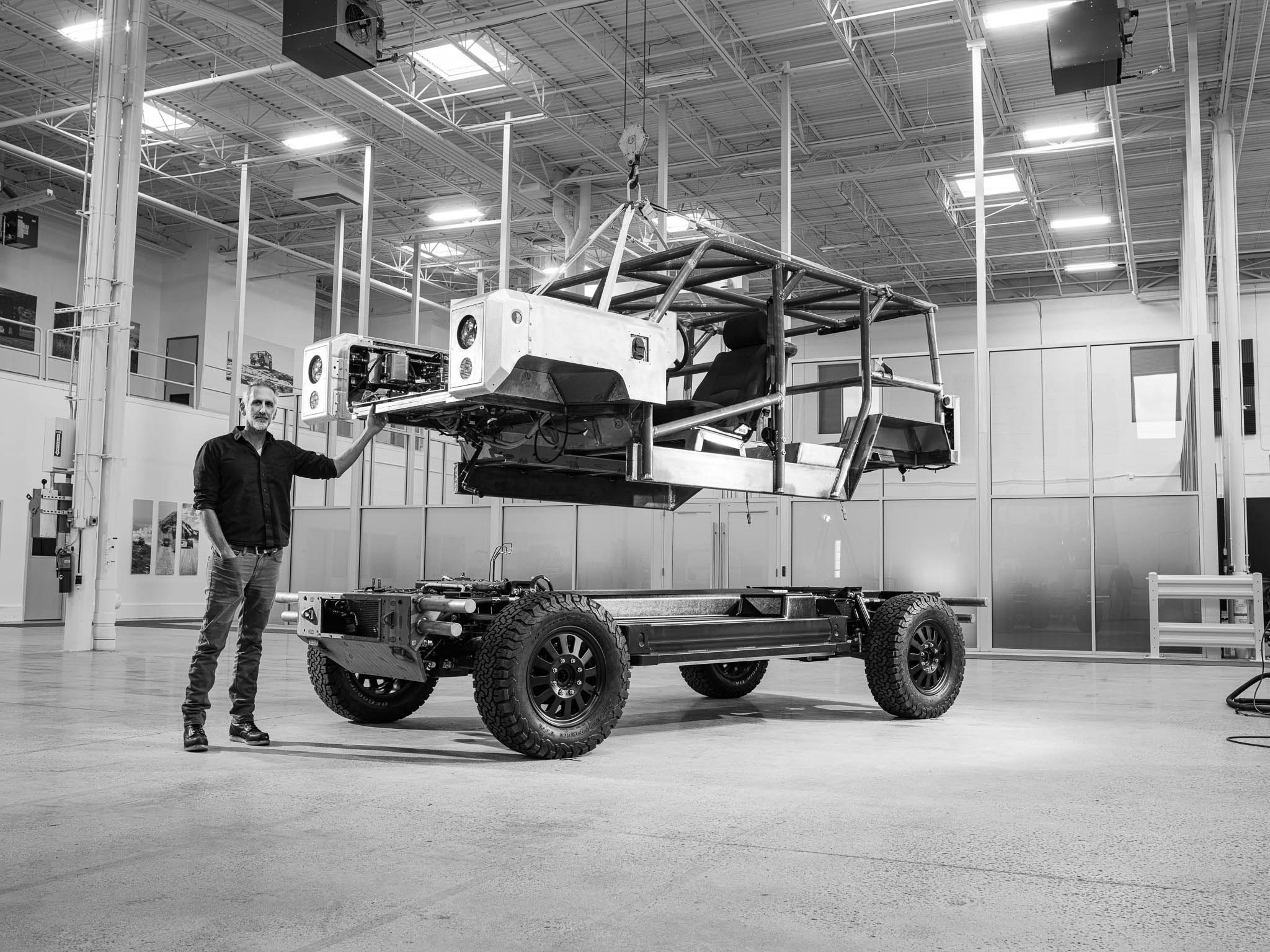
Robert Bollinger studied Industrial Design at Carnegie Mellon University and spent his early career in advertising, marketing, and branding. He then joined John Masters Organics as a partner, leading operations and helping to build and later sell the company.
Robert followed his childhood dream and founded Bollinger Motors in 2015. He and his team designed and built the world's first all-electric off-road truck. This led to the development of an all-electric Class 4 commercial vehicle from concept through production. He successfully sold the company in 2023.
In 2026, Robert reacquired the assets of Bollinger Motors — including all IP and the original B1 and B2 prototypes that remain at the center of everything he does. He then created the Bollinger Motors Studio + Lab, a new chapter focused on original design, fabrication, and the next generation of makers.
Robert currently holds the position of Transportation Design Fellow at Carnegie Mellon University's School of Design.